

Japanese Yellow
Lantern Adaption
Adapting Marine Lanterns for Japanese Offshore Wind
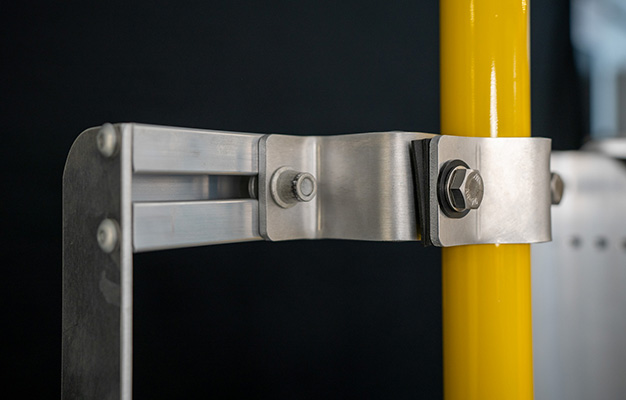
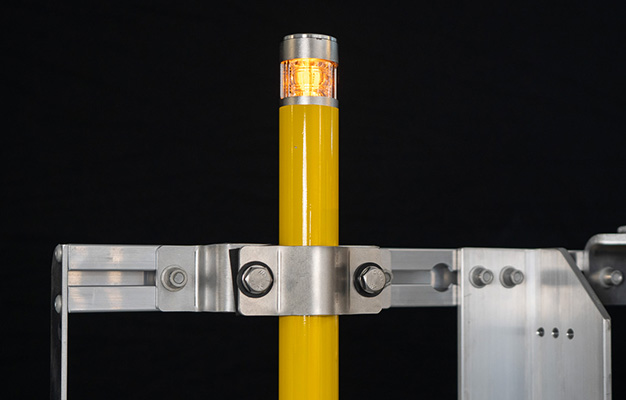
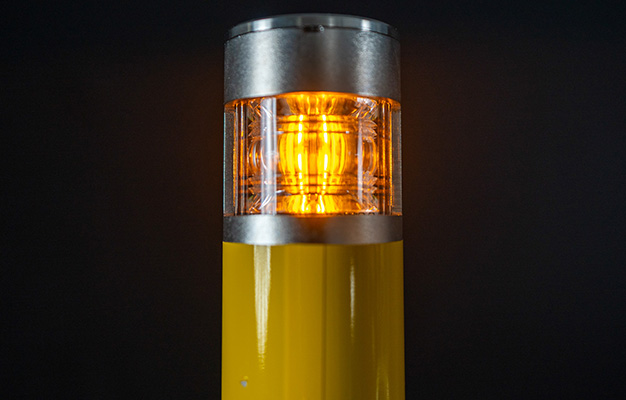
In Japan, marine lantern housings must match the color of the emitted light.
This presented a unique regulatory requirement that differed from industry standards.



The Challenges
We identified four primary engineering challenges:
Environmental Durability
Components needed to withstand saltwater, extreme weather, and mechanical stress.
Remote Monitoring & Control
A centralized system was required to ensure real-time oversight and adjustments.
Installation Efficiency
Components had to be simple, self-testing, and easy to install to reduce labor costs.
Scalability
The system needed to support thousands of interconnected components without excessive engineering effort.
The Search for an Answer
Results
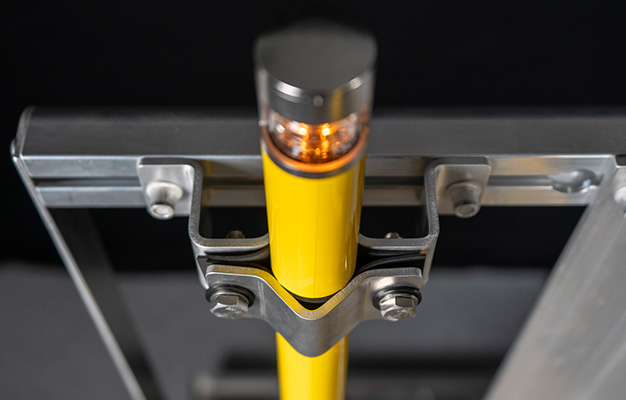
- Maintained existing mounting brackets and installation methods
- Added an extra layer of corrosion protection
- Provided a compliant, long-lasting solution
A Landmark Achievement
Thanks to our flexibility and ingenuity, our lanterns gained approval from Japanese authorities and were successfully installed on Japan’s first offshore wind farm—a testament to our commitment to innovation.
More Case Studies
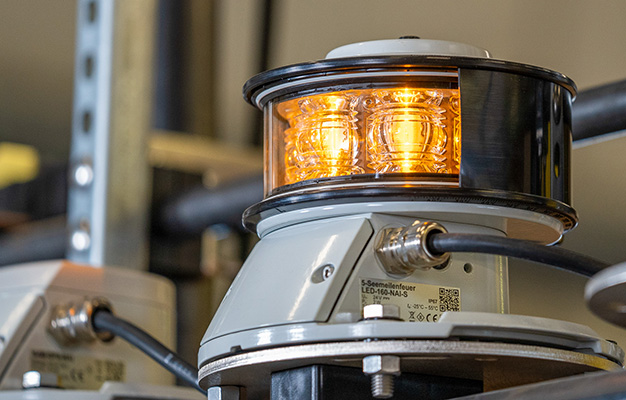
Original NAi Product Line
Initially, our first offshore wind projects utilized components repurposed from other industries. This led to multiple interface requirements, increased engineering complexity, and minimal monitoring capabilities.
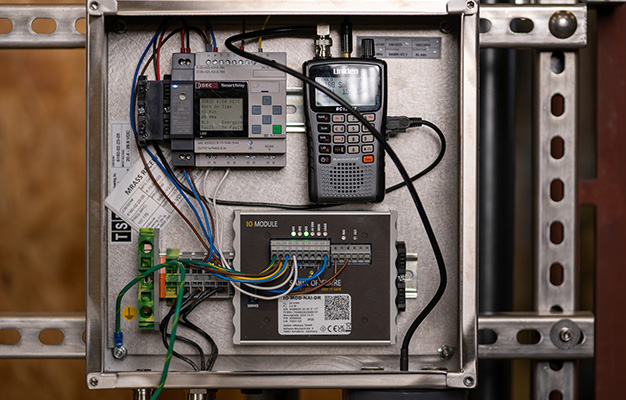
MRASS for U.S. Requirements
Traditionally, offshore wind fog signals are triggered by visibility meters. But when the U.S. Coast Guard introduced its new Mariner Radio Activated Sound System (MRASS) for federal fog signals, they wanted this technology integrated into offshore wind farms as well.

Integrating ADLS in Germany
In 2018, Germany passed a law requiring Aircraft Detection Lighting Systems (ADLS) for all onshore wind farms and certain offshore zones. This affected 19 offshore wind farms, necessitating compliance with the new regulations.