
Integrating ADLS
in German Offshore
Wind Farms
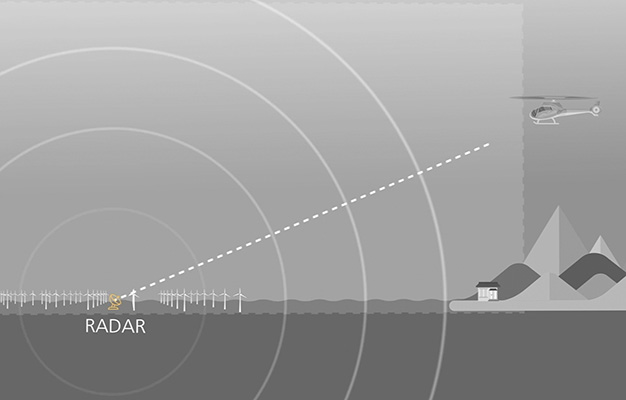
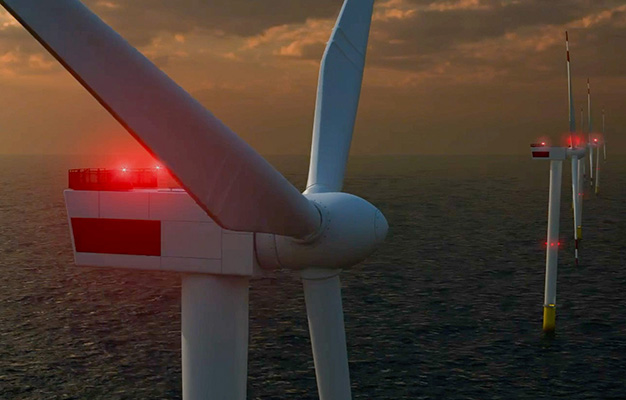
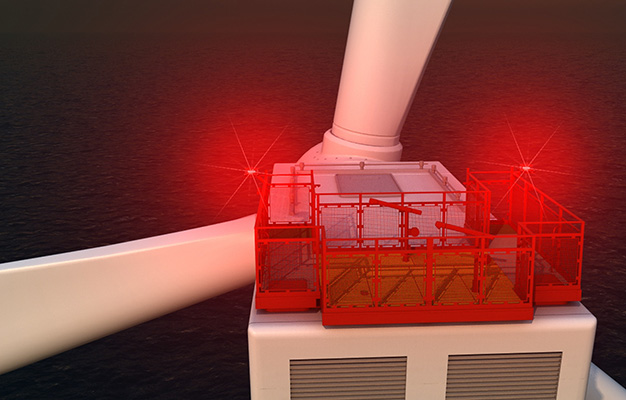
In 2018, Germany passed a law requiring Aircraft Detection Lighting Systems (ADLS) for all onshore wind farms and certain offshore zones. This affected 19 offshore wind farms, necessitating compliance with the new regulations.

Challenges
The affected wind farms had a wide variety of installed lighting technologies, spanning multiple generations with different capabilities. Upgrading to ADLS while maintaining system integrity was a complex challenge.
Our Approach
- Conduct in-depth site analyses for each wind farm
- Assess existing lighting systems and their upgrade potential
- Develop customized ADLS integration plans for each project
The Outcome
- Cost-effective upgrades tailored to each site
- Maximum reuse of existing infrastructure
- Seamless integration of ADLS, ensuring compliance
More Case Studies
Original NAi Product Line
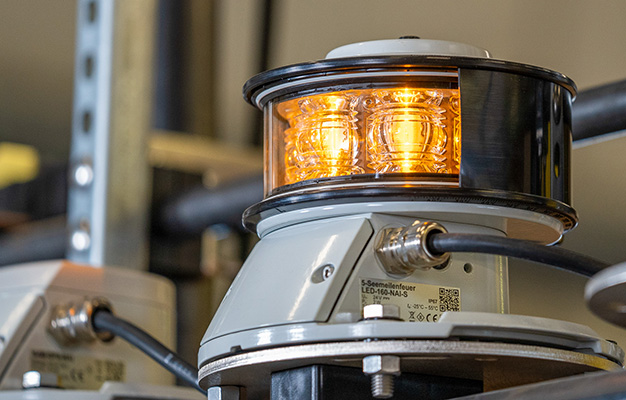
Initially, our first offshore wind projects utilized components repurposed from other industries. This led to multiple interface requirements, increased engineering complexity, and minimal monitoring capabilities.
MRASS for U.S. Requirements
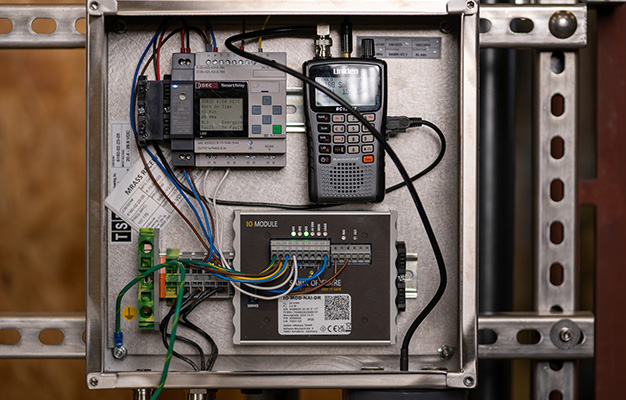
Traditionally, offshore wind fog signals are triggered by visibility meters. But when the U.S. Coast Guard introduced its new Mariner Radio Activated Sound System (MRASS) for federal fog signals, they wanted this technology integrated into offshore wind farms as well.